






Winter is coming: Will the arrival of VinFast e-scooters mark the end of ICE motorcycles dominance in the Philippines?
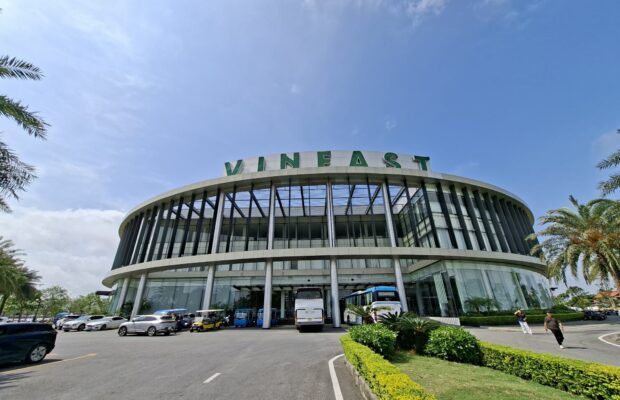
Since learning about VinFast’s plan to bring its electric scooters to the Philippines, I had no doubts that we are about to experience a seismic shift in the local motorcycle industry. Having the Vietnamese firm’s performance in the four-wheel EV segment as indicator, we can almost be certain that the arrival of VinFast e-scooters on our shores would definitely shake up the establishment.
The big four
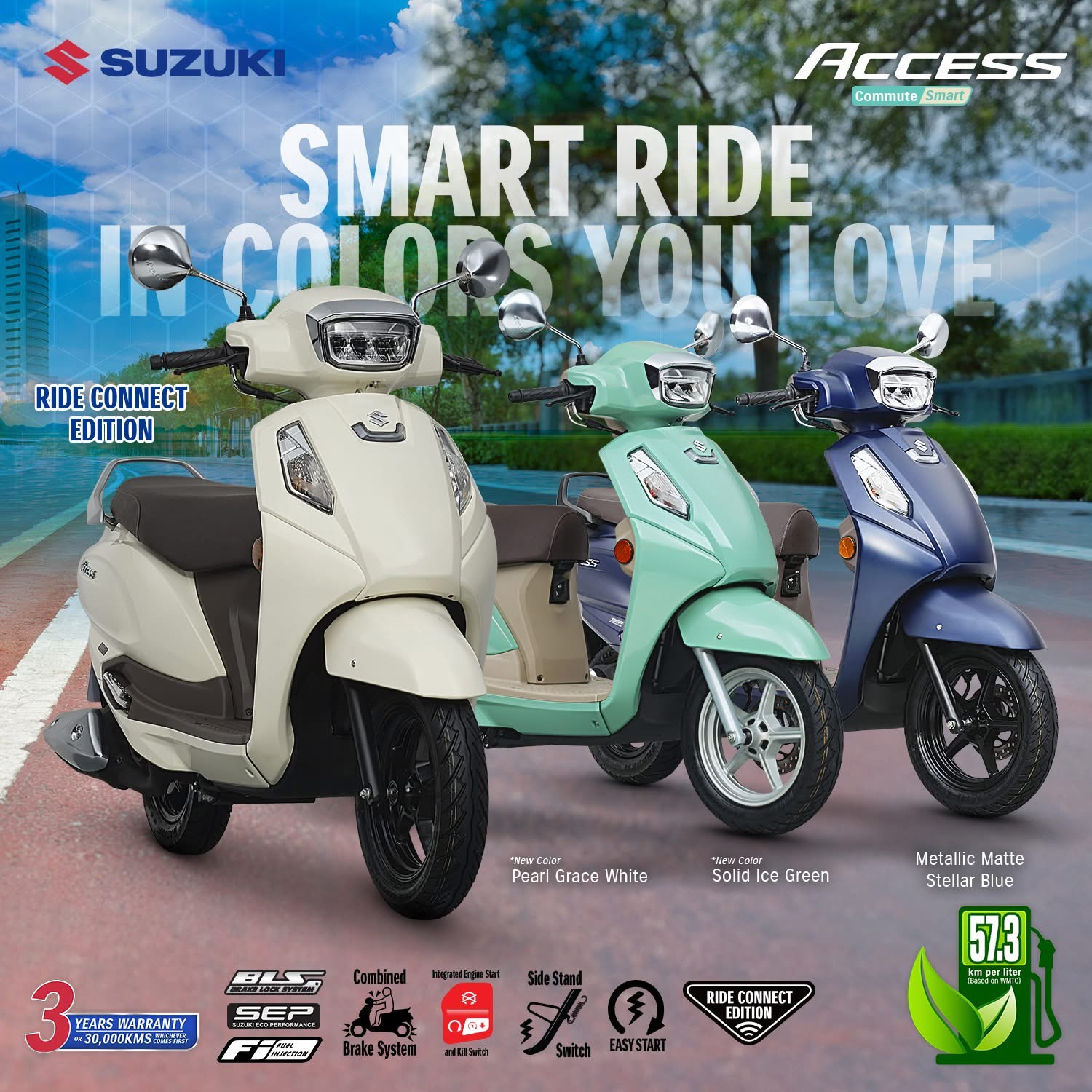
The ubiquitous Internal Combustion Engine (ICE) motorcycle has been enjoying strong sales performance in the country even before, during and most especially, after the pandemic. In fact, the Motorcycle Development Program Participants Association (MDPPA) already registered an 11.6% sales growth in just the first quarter of 2026. The MDPPA is an organization of the so-called “big four” motorcycle brands in the Philippines – Honda, Kawasaki, Suzuki and Yamaha.
Budget anxiety, range anxiety
The consistent robust market performance of motorcycle models from these Japanese manufacturing giants is primarily driven by the Filipino’s strong demand for affordable and fuel-efficient mode of transportation for everyday use. However, the exorbitant gas prices lately made the running cost of even the thriftiest of the gas-propelled bikes rather expensive for the average rider. Naturally, riders begin to clamor for e-scooters from their favorite brands. Only Honda and Kawasaki have responded and came out with electric-powered options. However, their prices are restrictive and the infrastructure to service these EVs remains lacking. Hence, the weak market acceptance.
E-scoots for the real world
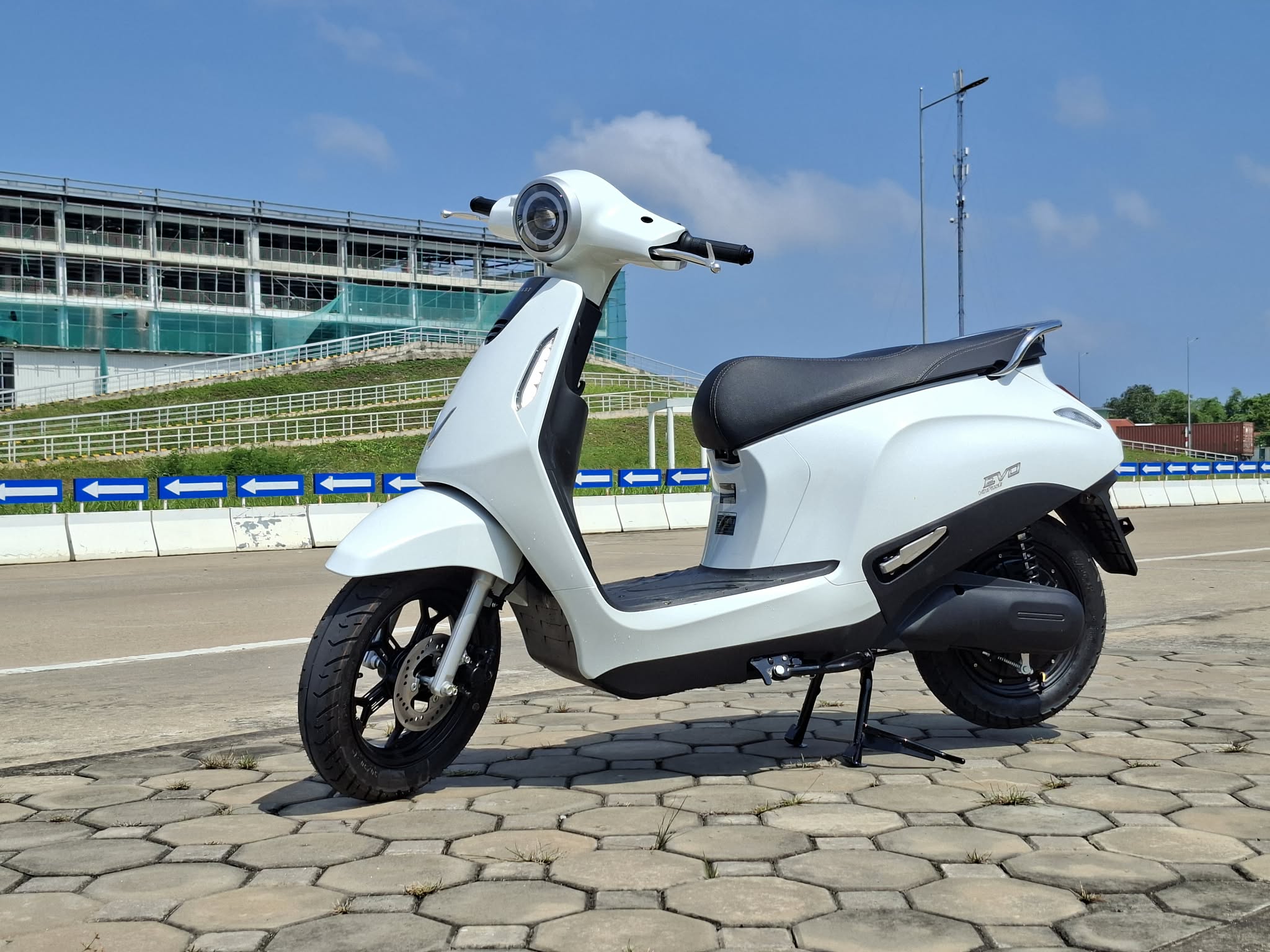
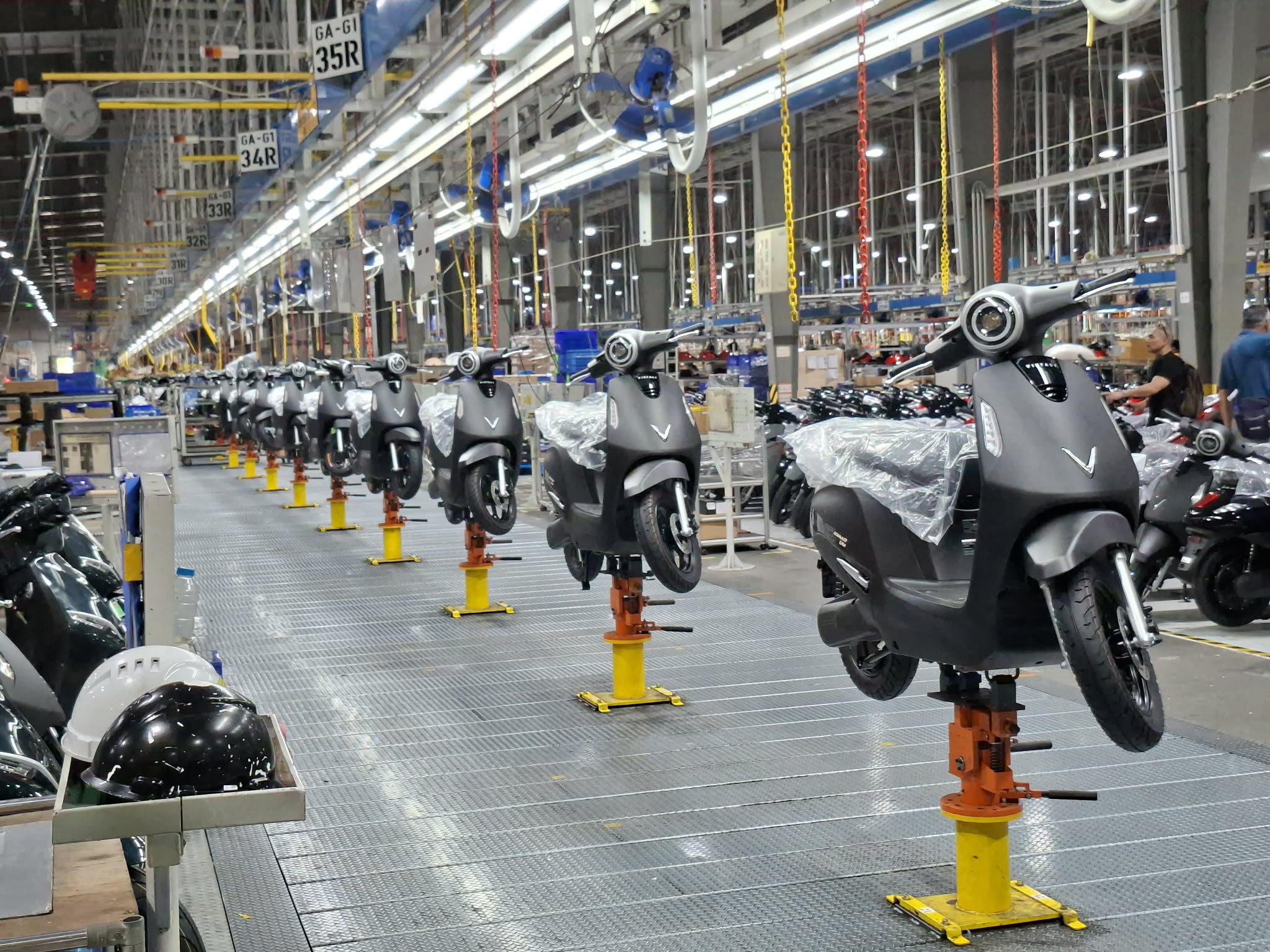
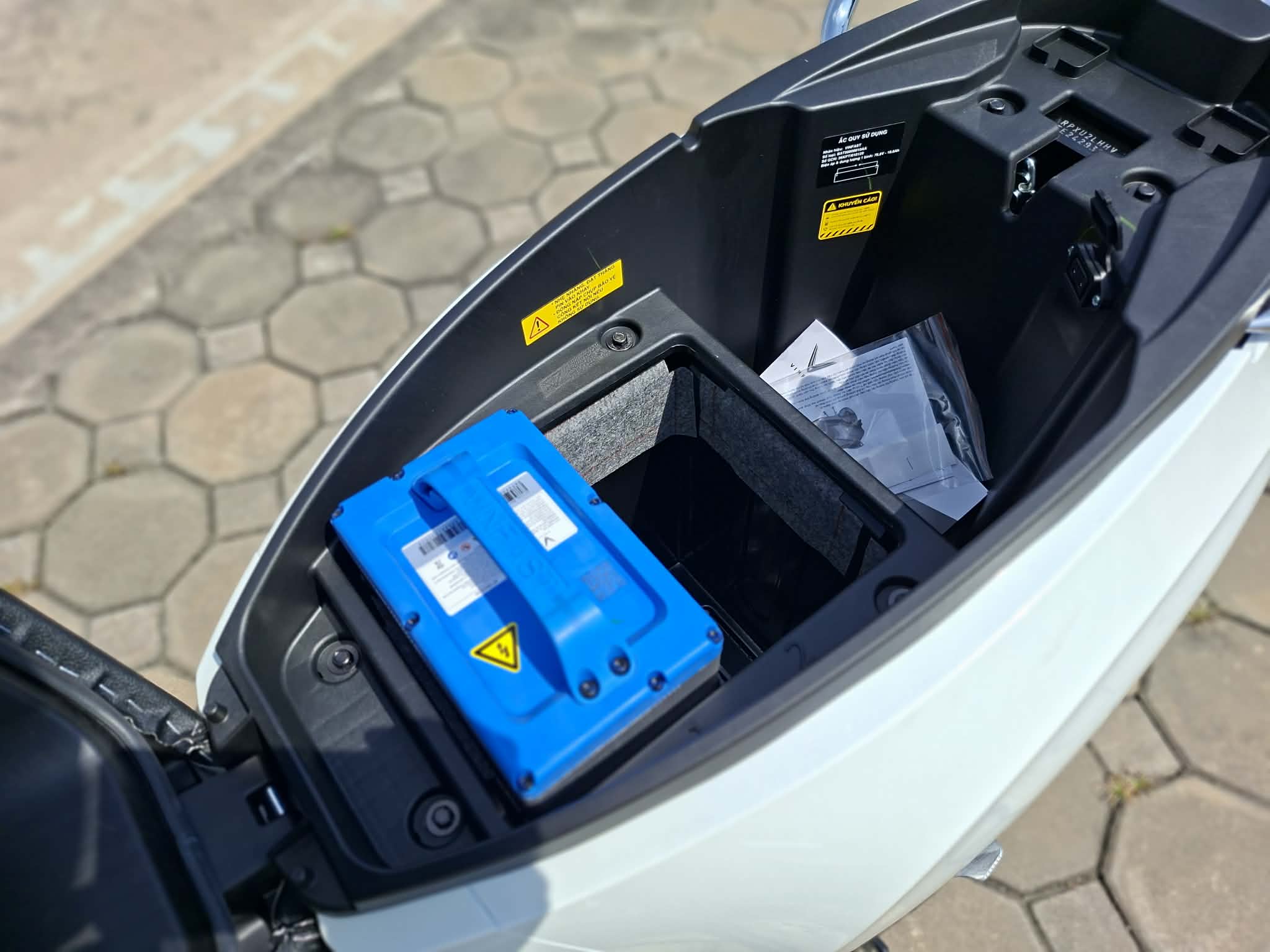
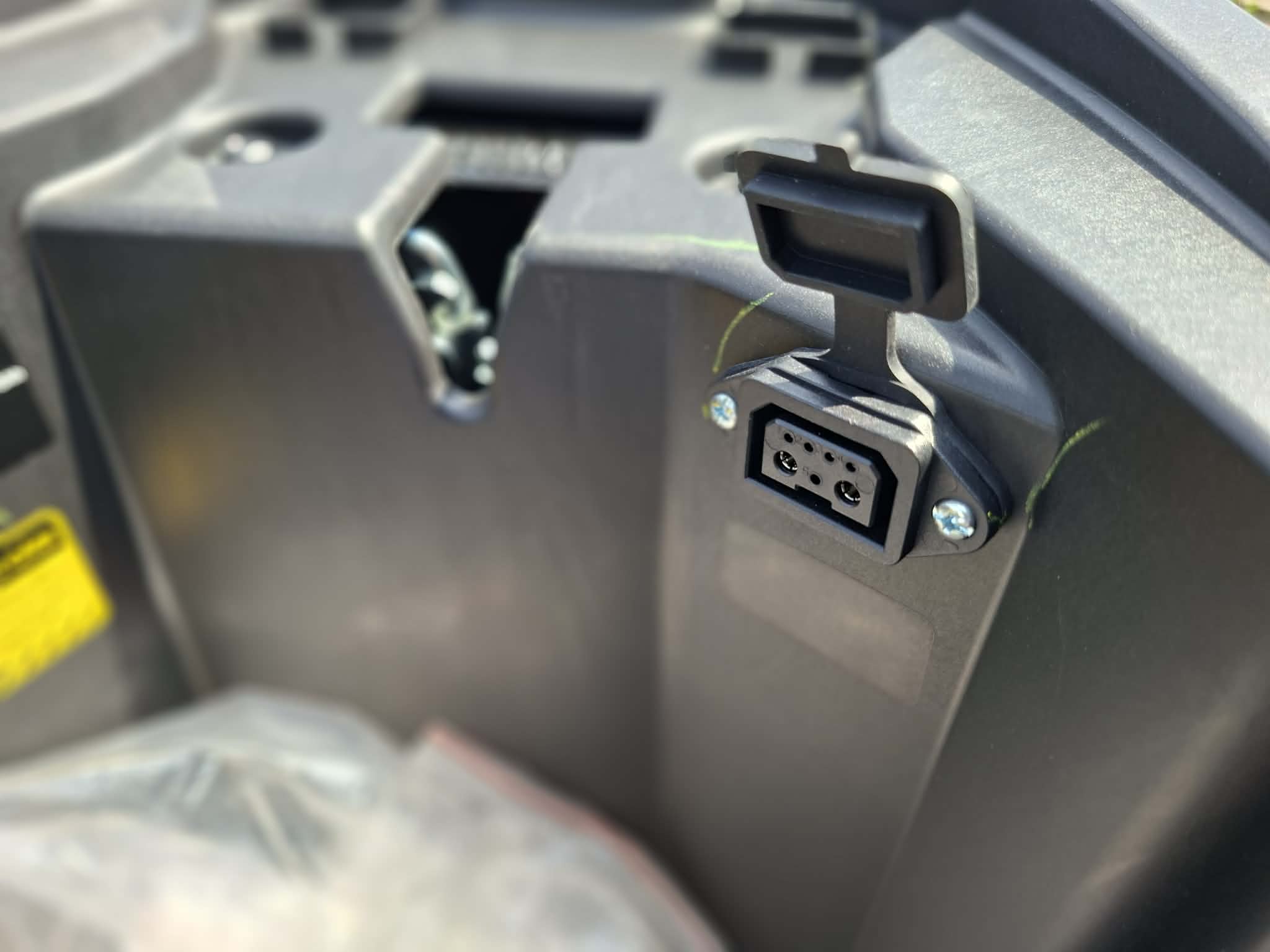
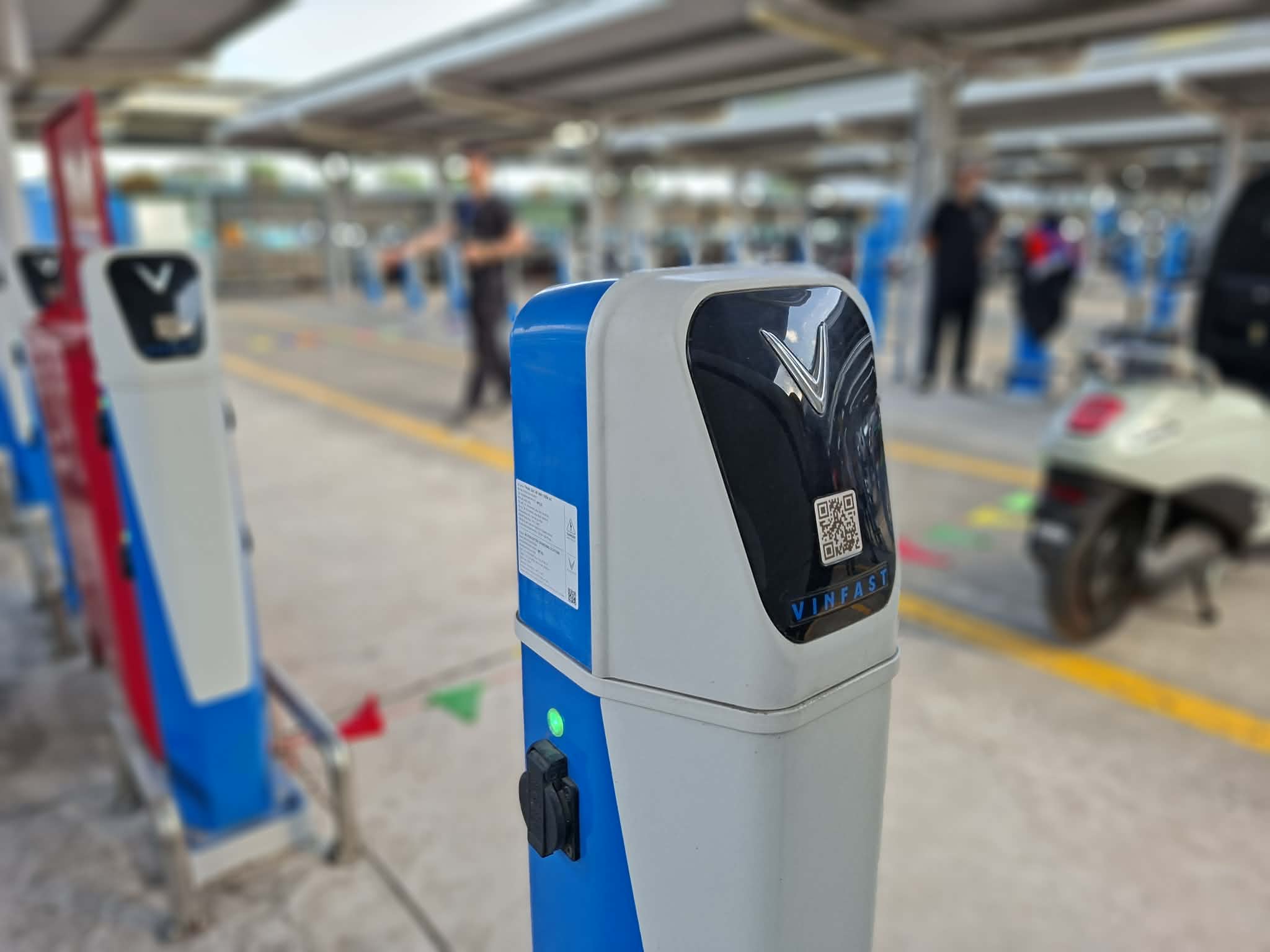
VinFast intend to address these issues by offering e-scooters through battery subscription program – in which the battery of the unit is rented – significantly lowering the initial cost of ownership. Yet, the real game-changer would be the VinFast e-scooters’ battery-swapping capability. VinFast is set to put up30,000 battery-swapping stations across the archipelago, in partnership with major motorcycle dealers, gas stations and establishments. This negates the need for charging infrastructure and virtually eliminates down time when your battery is depleted. Just swap your empty battery for a fresh one and you’re good to go. This is heaven sent especially for moto taxi and delivery riders.
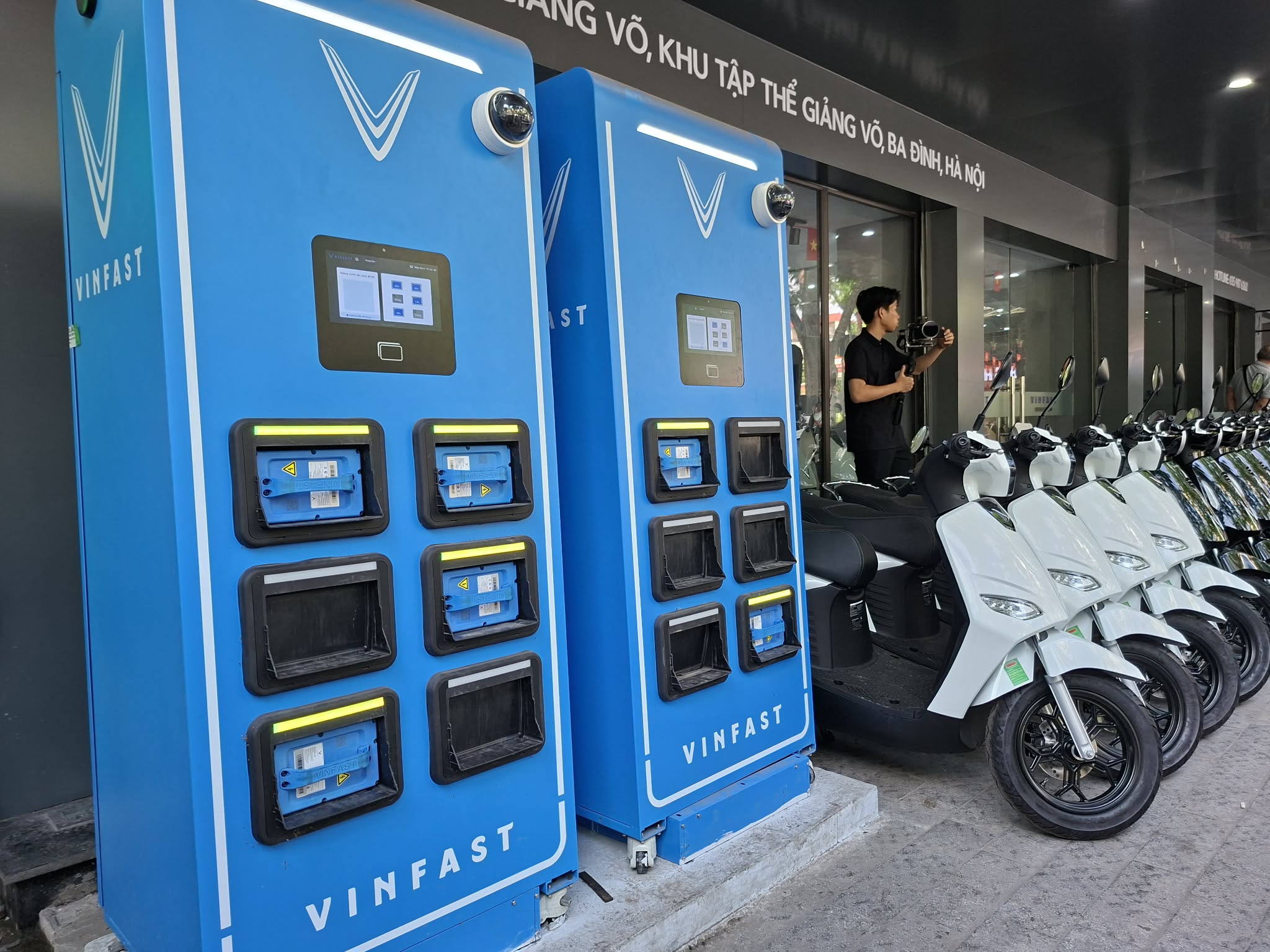
The lone wolf dies but the pack survives
Fossil fuels is a finite resource. The shift from ICE to EV is inevitable. With the current circumstance we are in, this shift should take place sooner rather than later. Will this usher in the demise of the ICE-reliant big four brands in the local motorcycle industry? Not necessarily, if they learn (finally) to work as a pack (pardon for yet another Game of Thrones reference). The Internal Combustion Engine phase out is certain, it’s only a question of when. However, its manufacturers don’t have to go down with the ship.
In April 2022 a joint venture of five companies in Japan — Honda, ENEOS Holdings, Kawasaki Motors, Ltd., Suzuki Motor Corporation and Yamaha Motor Co., Ltd., establishedGachaco Inc., which aims to provide a shared service platform of standardized swappable batteries for electric motorcycles.
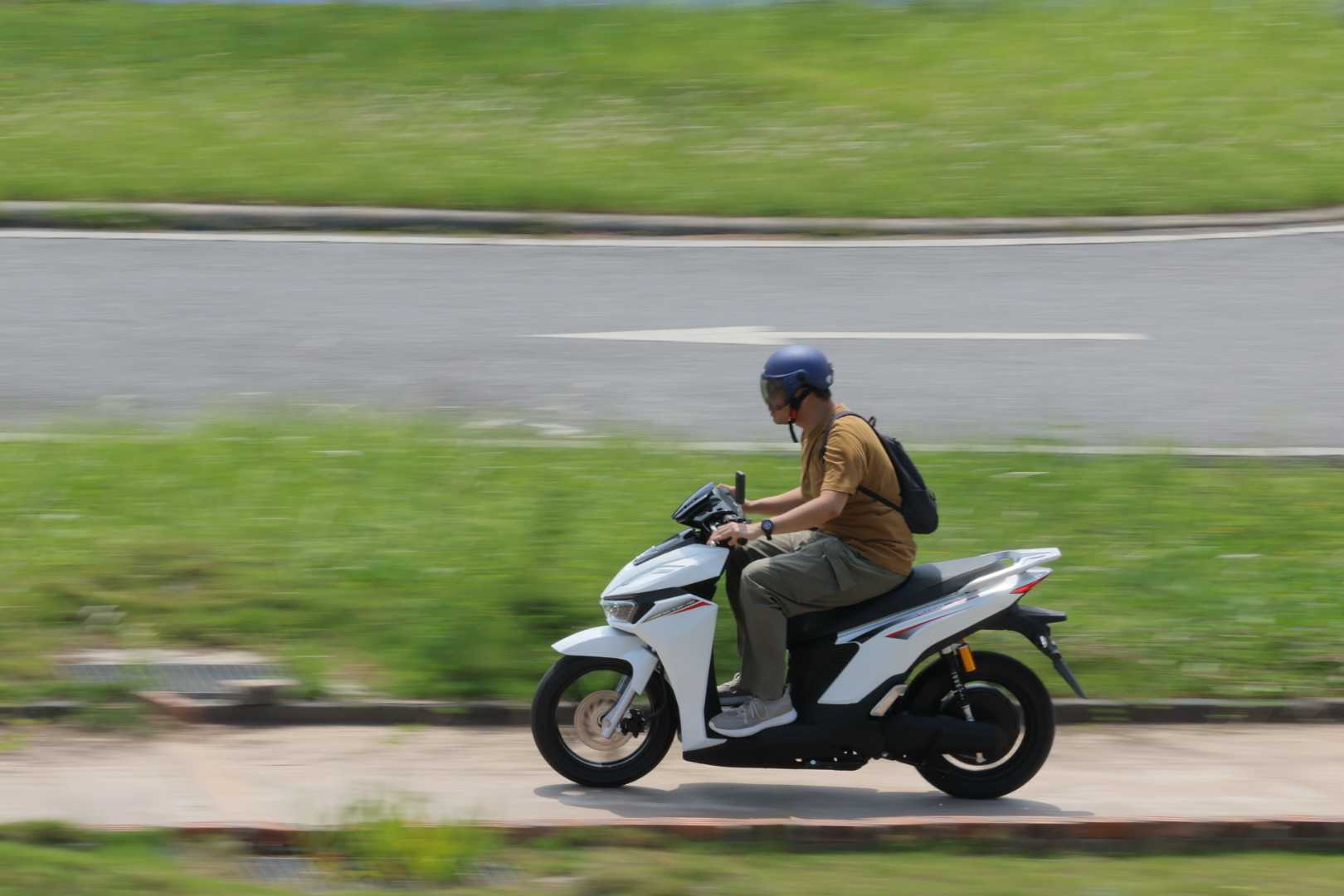
Sounds familiar?
However, Honda Motor Co., Ltd. announced last April 2026, that it has subscribed to new shares of Gachaco, making it a consolidated subsidiary of the brand. It would seem Honda is taking lead in making the battery-swapping system work for its customers with its proprietary Power Pack e: battery, which apparently is not compatible with electric models of fellow Japanese brands. Hmmm…
Honda plans to achieve carbon neutrality in all its products by 2050. Meanwhile, VinFast is already there. The looming threat of climate change and current fuel crisis accelerate the EV accessibility race. Thankfully for us, VinFast is moving at a pace that befits the name.


0 comments