





Evolving Urban Mobility: Meeting the Changing Transport Needs of Philippine Cities
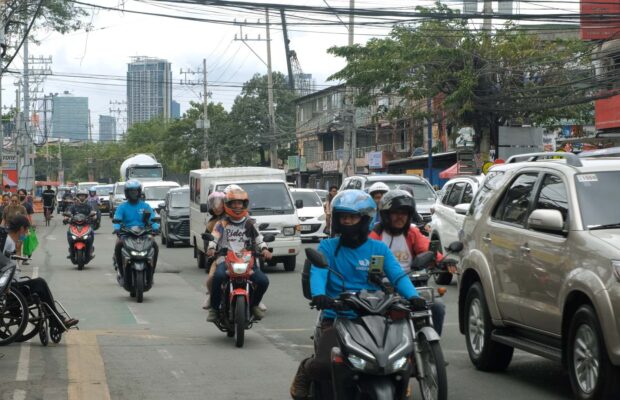

Daily mobility remains a defining feature of life in major Philippine cities such as Manila, Cebu, and Davao, where residents continue to depend on familiar transport modes like jeepneys, tricycles, habal-habal, and traditional taxis. These options remain popular because they are affordable, accessible, and deeply rooted in community life. However, as cities continue to grow and traffic worsens, the limits of these systems are becoming more visible, with many commuters spending over two hours on the road each day and often relying on multiple modes of transport to reach their destinations.
Visitors and residents alike are increasingly expressing the need for more comfortable and reliable travel options. While foreign and local travelers still appreciate jeepneys and other traditional vehicles as cultural icons, many also seek safer, more convenient, and less physically demanding alternatives, especially during peak hours. Public discussions have emphasized the importance of improving mobility systems in ways that complement, rather than replace, existing modes of transportation.

Alongside passenger expectations, the realities faced by drivers are also evolving. Rising fuel prices, vehicle maintenance concerns, and aging fleets continue to affect income stability and service quality. Public sentiment increasingly supports initiatives that not only improve passenger comfort but also help drivers manage costs, work more sustainably, and upgrade vehicles to meet modern safety and environmental standards.
Ultimately, mobility in Philippine cities is not just a policy conversation but a daily practical need. As urban life grows more demanding, a balanced coexistence of traditional and emerging transport options is becoming essential. When managed properly, diversified mobility can benefit both commuters and drivers, supporting safer, more comfortable, and more dependable travel experiences that keep cities moving and livelihoods thriving.



-

-
-
-

Spyder Showcases Innovation and Culture at Inside Racing Bike Fest 2026
-

Gumande Tires Launches in the Philippines: Engineered by Legacy, Built for Performance
-

GUMANDE Makes Its First Public Appearance at Makina Moto Tiangge 2026
-

HELLA Philippines Honors the Unsung Heroes of the Road with “Driven by Care – The HELLA Way”
-
0 comments