






A Tale of Two E-Scooters: Chetak 3503 vs VinFast Evo and the True Cost of Long-Term Ownership
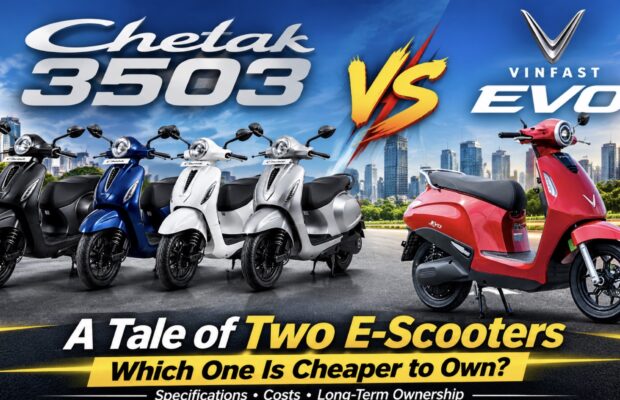

When evaluating electric scooters, most buyers focus on the sticker price. However, long-term ownership is where the real financial picture emerges. In the Philippine market, for example, the Bajaj Chetak 3503 and the VinFast Evo represent two vastly different approaches to electric mobility. The Chetak offers complete ownership from day one, including the battery, while the VinFast Evo lowers its initial acquisition cost through a battery subscription model that requires a monthly fee for each battery. The result is a compelling comparison between paying more upfront and paying less now while committing to recurring costs later.
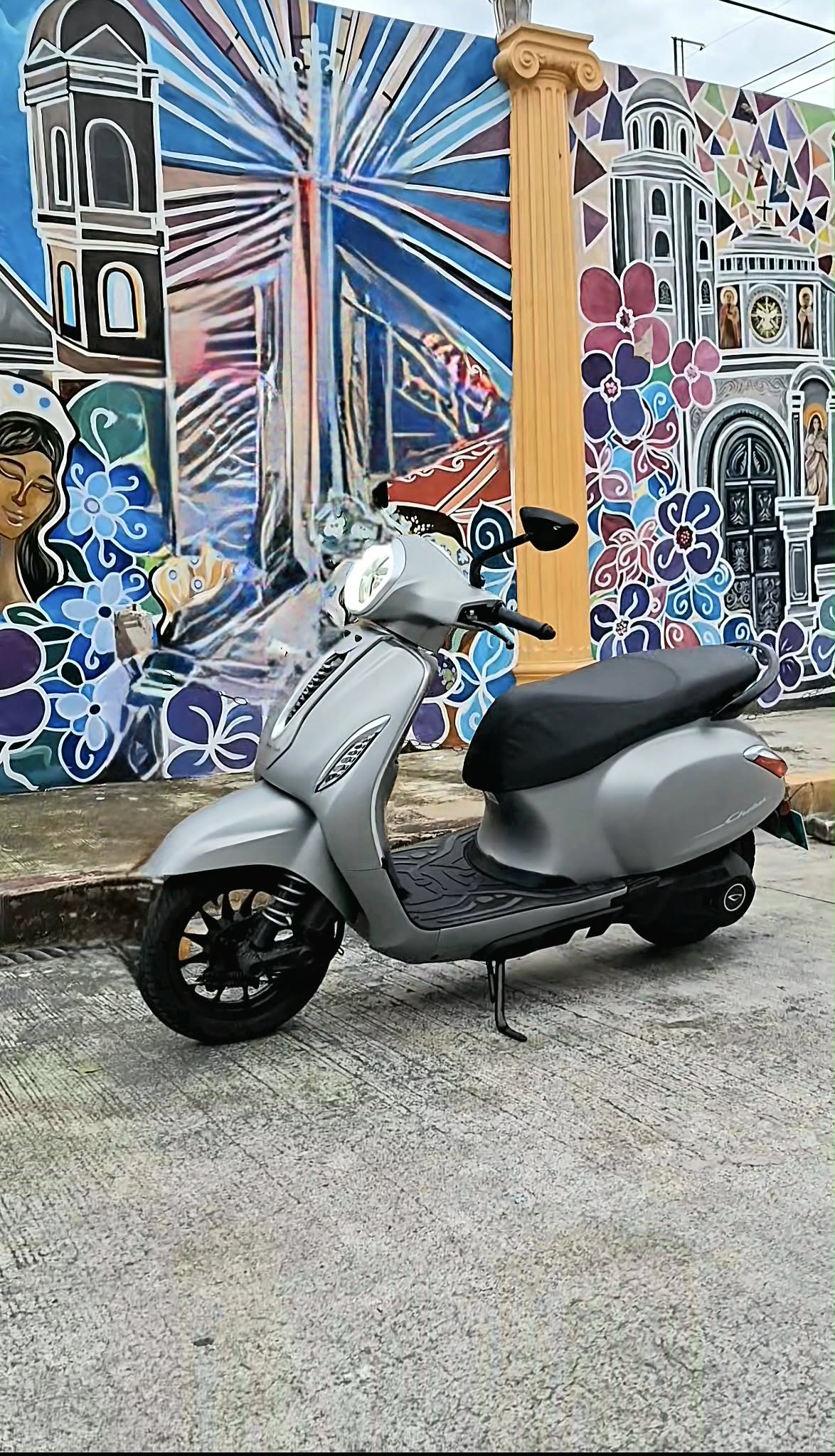
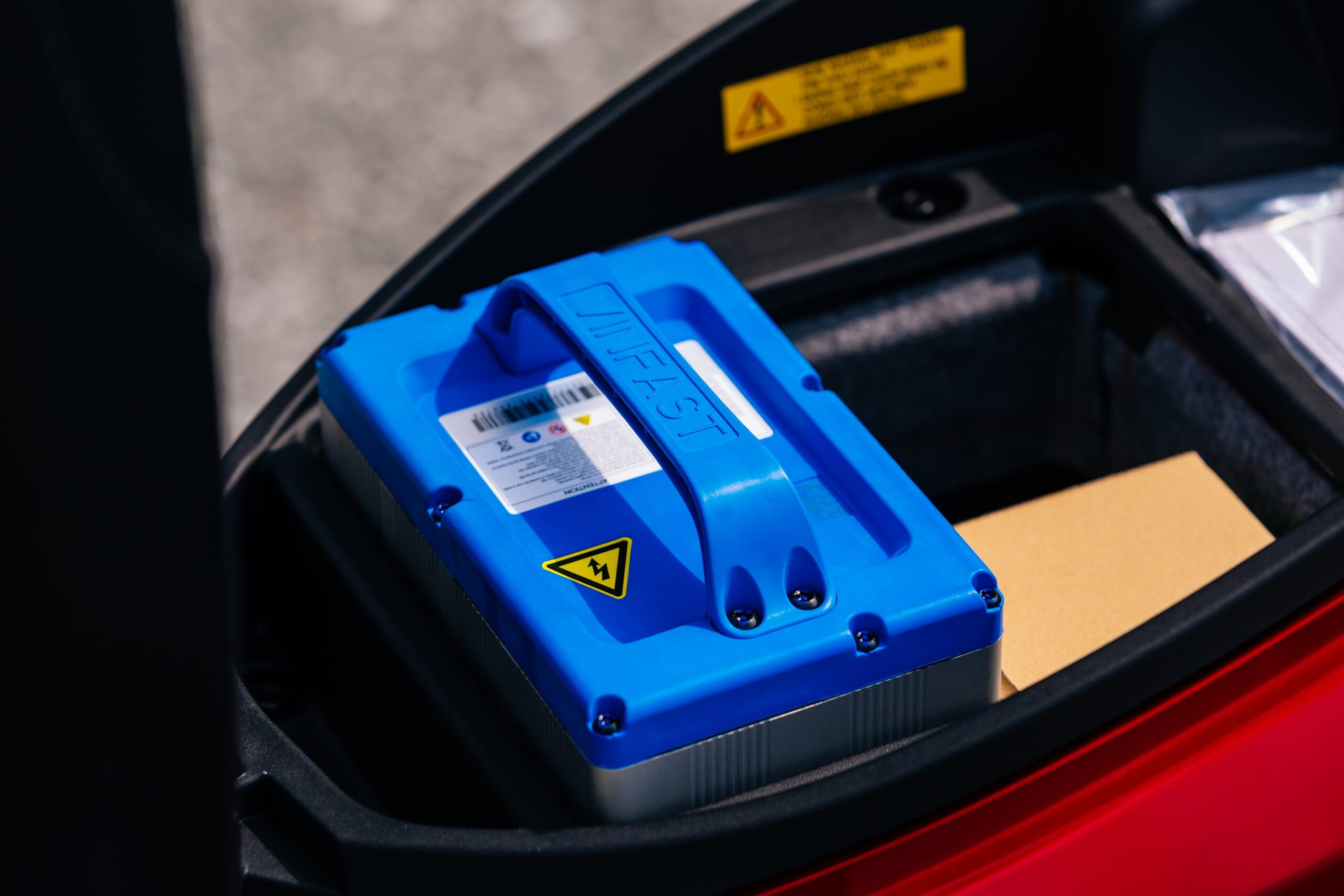
With the Chetak 3503 priced at ₱115,888 (introduction price, limited-time offer) and the VinFast Evo priced at ₱62,900, the initial difference is already substantial at ₱52,988. However, VinFast’s subscription program requires users to pay ₱439 per battery per month. For the Evo to match the range and performance of the Chetak, two batteries are need. The monthly subscription effectively becomes ₱878 per month, or ₱10,536 annually.
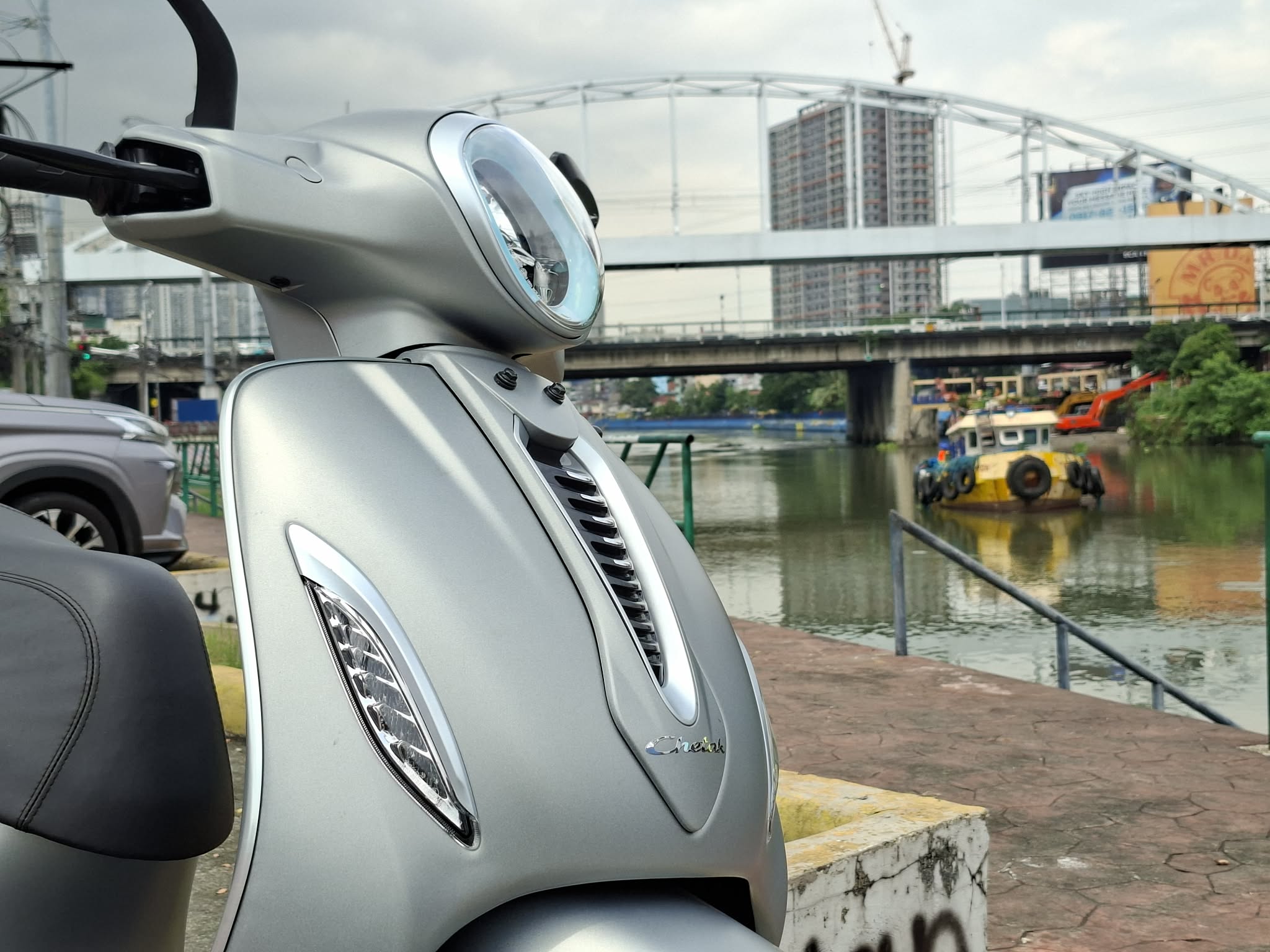
At first glance, the VinFast appears to be the obvious bargain. A buyer can nearly purchase two Evos for the price of one Chetak. Yet the numbers become more interesting once ownership stretches beyond the first few years.
Assuming a typical Filipino commuter covers approximately 10,000 kilometers annually, both scooters will consume very little electricity compared to a gasoline-powered motorcycle. At current residential electricity rates, owners can expect to spend around ₱3,000 per year on charging. Over a five-year period, that translates to roughly ₱15,000. Since both scooters offer comparable efficiency in daily urban use, electricity costs do little to separate one from the other.
The subscription fee, however, continues to accumulate. After one year, a VinFast owner would have spent ₱10,536 on battery subscriptions. By the third year, the total reaches ₱31,608. By the fifth year, subscription payments alone amount to ₱52,680, effectively matching the initial price difference between the two scooters.
Looking at the numbers over a five-year ownership period paints a clearer picture. A Chetak owner would have spent approximately ₱115,888 on the scooter itself, around ₱15,000 on electricity, and an estimated ₱7,500 on general maintenance and consumables. This brings total ownership costs to approximately ₱138,388.
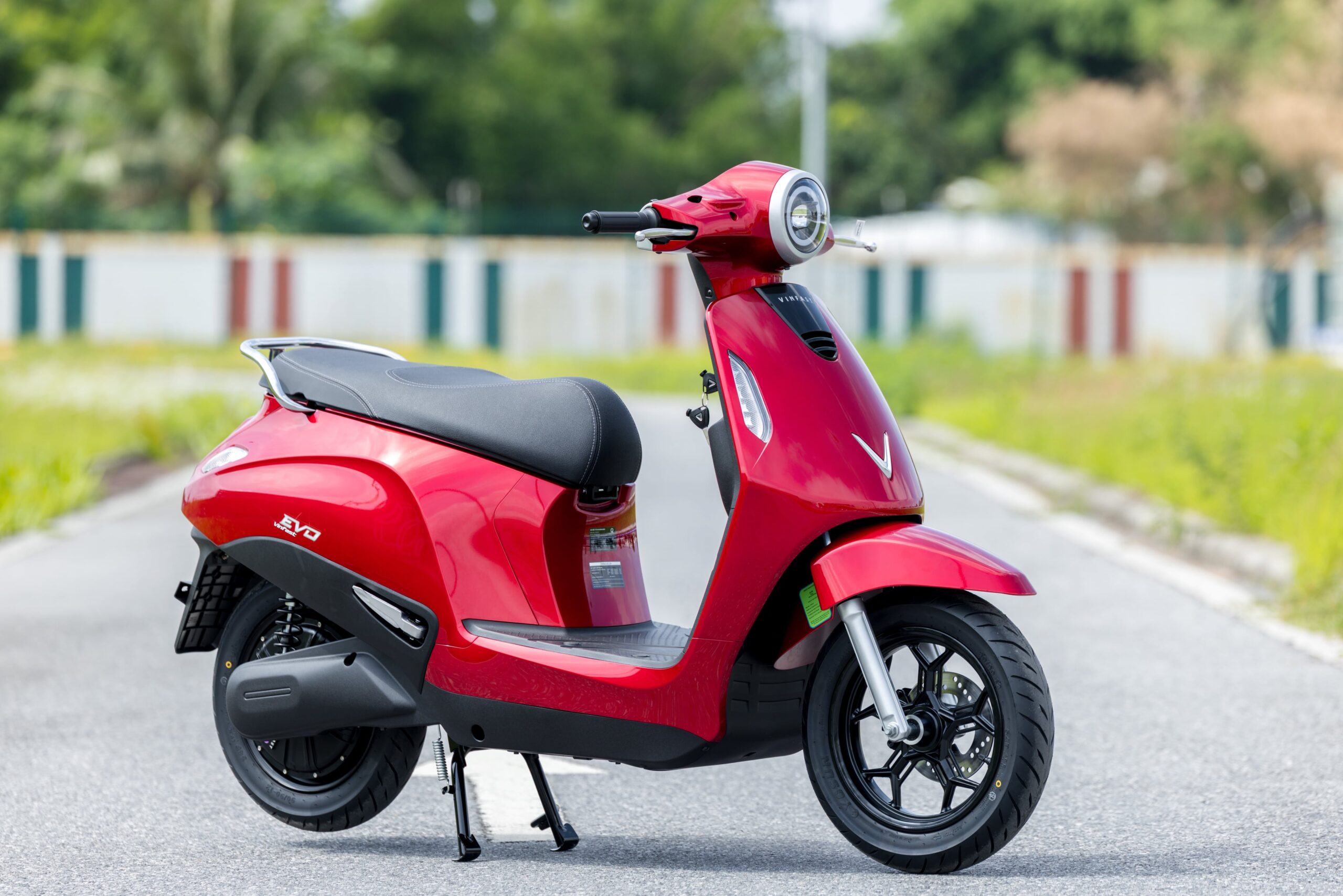
The VinFast Evo owner starts with a much lower acquisition cost of ₱62,900. Adding ₱15,000 for electricity and ₱7,500 for maintenance results in ₱85,400 before subscriptions are considered. Once five years of battery fees totaling ₱52,680 are included, total spending reaches ₱138,080.
After five years, the two scooters are virtually identical in total ownership cost. However, the picture shifts further as ownership lengthens. At seven years, the VinFast owner would have paid ₱73,752 in subscription fees. Total ownership costs would rise to approximately ₱165,152. In comparison, the Chetak owner would be at approximately ₱147,388, assuming no major repairs. The Chetak would then enjoy a cost advantage of nearly ₱18,000.

By the tenth year, the difference becomes more pronounced. Ten years of VinFast battery subscriptions would total ₱105,360. Combined with purchase price, electricity, and maintenance expenses, ownership costs would climb to roughly ₱213,260. The Chetak, meanwhile, would remain around ₱160,888, assuming normal maintenance and continued battery health. That creates a gap of over ₱52,000 in favor of the Chetak.
This reveals the true breakpoint between the two scooters. The VinFast Evo is unquestionably the better value for riders who plan to keep their scooter for only three to five years. The lower purchase price and manageable subscription fees make it a financially attractive proposition during that period. Beyond five years, however, the economics begin to shift in favor of the Chetak. Every month thereafter pushes the VinFast owner’s total cost higher while the Chetak incurs no comparable recurring charge.
Yet, ownership is not just about accounting. The Chetak’s appeal extends beyond numbers. Built around a steel monocoque body and positioned as a premium electric scooter, it offers a level of solidity and refinement that few affordable EVs can match. It also provides complete independence from subscription programs, battery-swap networks, and future fee adjustments. Once purchased, the entire vehicle belongs to the owner.
The VinFast Evo counters with a significant advantage of its own: reduced battery risk. Because the battery remains part of the subscription ecosystem, owners are less exposed to concerns surrounding long-term battery degradation.
Ultimately, the comparison boils down to ownership horizons. For riders seeking the lowest upfront cost and who anticipate changing vehicles within four or five years, the VinFast Evo remains a compelling choice. For riders who typically keep a motorcycle for seven, eight, or even ten years, the Chetak 3503 increasingly becomes the more economical investment.
The most surprising conclusion is that, under the current pricing structure, the two scooters reach near cost parity at around the five-year mark. After that, the advantage swings decisively toward the Chetak. What appears to be the more expensive scooter at the dealership may ultimately prove to be the cheaper one to own over the long term.



-


-
-

PH, ASEAN EV Groups and Government Unite to Advance Regional Electric Mobility Industry
-

VinFast Launches All-New VF8 in the Philippines, Priced from ₱1.548 Million
-

JETOUR Launches the All-New S08 i-DM in the Philippines, Its New Seven-Seater Plug-in Hybrid SUV
-

Isuzu Philippines Brings New D-MAX LS 4×2 AT to Bacolod, Offering Greater Value to Pickup Buyers
-
0 comments